The Ultimate Guide to Swordfish Fishing: Essential Tips, Gear, and Proven Techniques for 2025 Success
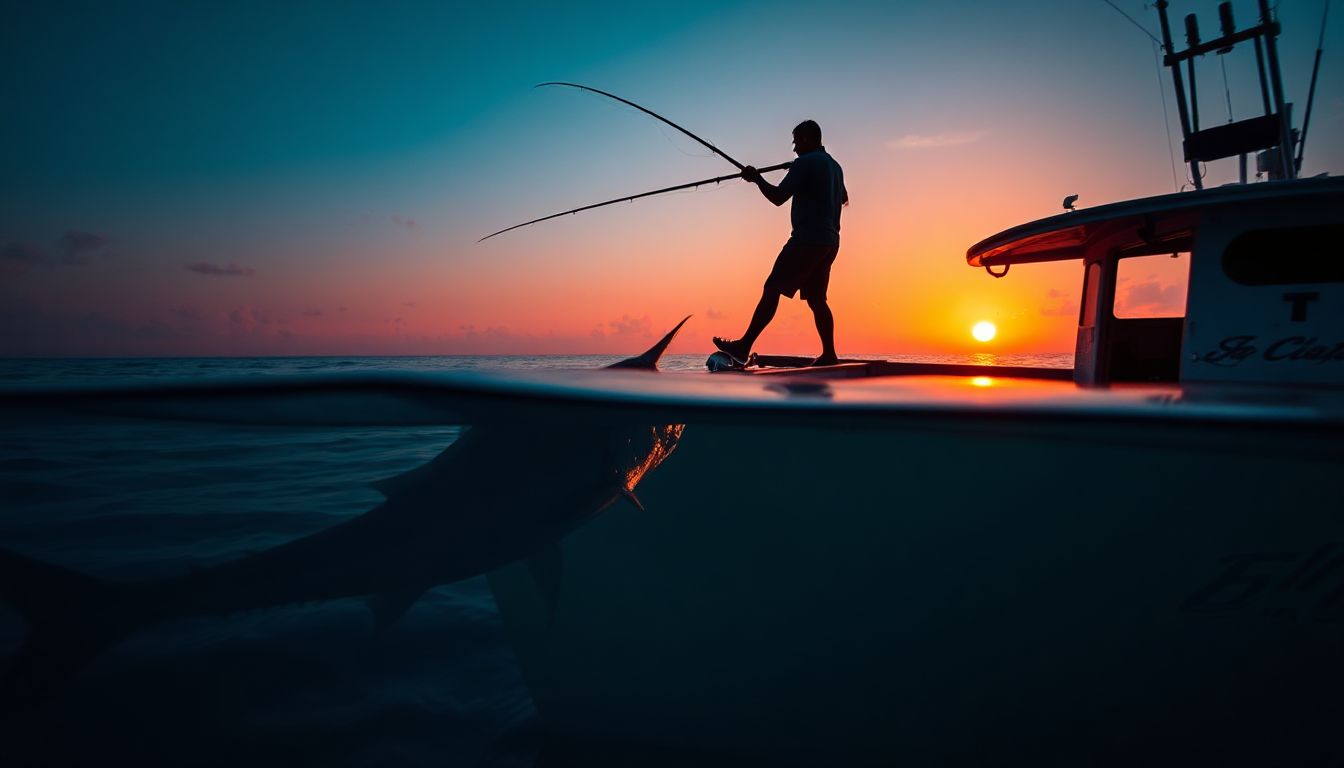
Few fish match the raw power and mystery of the swordfish. These deep-sea giants pull lines from 1,000 feet below, testing even the strongest anglers. In 2025, swordfish fishing surges in popularity thanks to better tools and spots. Deep-dropping stands out as the top method, letting you reach where these beasts hide. This guide covers everything you need for success: from gear picks to clever tricks.
Swordfish draws crowds because it demands skill and patience. You might spend hours waiting for a bite, but landing one feels like a big win. As waters warm and fish move, 2025 promises prime chances. Ready to hook your own trophy? Let’s dive in.
Understanding the Modern Swordfish Fishery Landscape in 2025
Swordfish populations hold steady in key areas, thanks to smart rules. Stocks in the Atlantic show growth from past limits. Pacific spots face some pressure, but new data points to healthy numbers overall.
Plan your trip with fresh info in mind. Warmer oceans shift fish patterns, so check updates often.
Current Global Hotspots and Seasonal Patterns
The Gulf of Mexico tops the lists for swordfish action in 2025. Boats report big catches off the Florida and Texas coasts from spring to fall. Water temperatures around 70 degrees pull swords closer to the surface at night.
Head to the Mid-Atlantic for summer runs. There, fish chase bait schools in 800-foot depths. In the Pacific, Hawaii’s waters heat up late in the year, with swords feeding on squid migrations.
Seasonal shifts matter a lot. As fall cools things, swords dive deeper into California. Track baitfish moves with apps for the best days. These patterns help you pick spots that pay off.
Regulatory Updates and Sustainability Best Practices
Bag limits stay at two fish per day in most U.S. waters. Size rules require 41 inches for keepers in the Atlantic. Pacific areas might tighten gear rules, such as requiring circle hooks only.
Sustainability keeps the fight alive. Release small ones quickly with wet hands. Use barbless hooks for easy fights.
Check local advisories before you go. NOAA sites list changes fast. Follow these to fish right and avoid fines.
Tournaments push catch-and-release hard. Tag big ones for science data. This way, you help the fishery thrive.
Advances in Sonar and Depth-Finding Technology
New sonar units now spot swords at 1,500 feet. High-frequency scans show bait balls clear as day. Side imaging helps map bottom spots full of structure.
These tools change how you plan—Mark hot zones on charts before dropping lines. Electric sounders ping depths in real time.
Budget models start at $500, but pro setups hit $2,000. They cut guesswork and boost catch rates by 30%. Pair with GPS for drifts that stay on fish.
Essential Gear Configuration: Building Your Deep-Dropping Arsenal
Deep-dropping demands tricky setups. Swordfish hit hard from below, so gear must hold up. Start with the basics that handle 300-pound pulls.
Pick items that fit your boat and style. Quality pays off in long fights. Let’s break it down.
Rods, Reels, and Line Selection for Extreme Depths
Go for heavy conventional rods, 6 to 7 feet long. Roller guides cut friction on long drops. Bent butts help when the fish runs.
Reels need 80W or 130-class size. Lever-drag models hold 1,000 yards of line. They crank slowly but steadily under load.
Braided line shines for the mainline. It sinks fast with less stretch. Back it with mono to save cash on deep runs.
Pros of braid include strength in thin diameters. Cons? It bites hands without gloves. Test setups on short trips first.
Lighting Systems: The Key to Attracting Nocturnal Hunters
Lights draw the prey that swords chase. Green glow sticks work best at depth, mimicking plankton. Drop them 50 feet above the bait.
Electric lanterns pulse to pull squid in. Use lithium batteries for long nights. Place one per rod to light your zone.
Expert Jim Hutchinson swears by combo setups. He mixes chem lights with LEDs for max pull. These systems are up by drawing smaller fish first.
Test lights pre-trip. Weak ones fail when you need them most.
Rigging Components: Leaders, Hooks, and Swivels Built to Withstand Pressure
Heavy fluorocarbon leaders, 200-pound test, hide from sharp eyes. Keep them 10 to 15 feet long. Mono works too, but fluoro lasts longer.
Circle hooks in 18/0 to 20/0 sizes lock in safely. They cut gut hooks on releases. Crimp them tight for big bills.
Swivels must take 500 pounds. Ball-bearing types spin freely under twist. Skip cheap ones—they snap easily.
Rig with crimps, not knots, for strength. This setup fights currents and runs without fail.
Mastering the Deep-Drop Technique: Deployment and Presentation
Drop right, and baits hit the zone. Miss it, and you waste time. Focus on steady descents.
Practice on calm days. Wind and waves quickly mess with lines.
Calculating Drop Rates and Bottom Tracking Accuracy
Figure drop speed at 2 to 4 feet per second. Braid falls faster than mono. Add 100 feet for stretch in currents.
Use reel counters for exact depth. Preset to 1,200 feet for common spots. Watch for bottom bounce on sounders.
Drift affects your math. Slow boat speed keeps lines straight—Mark spool with tape for quick checks.
This precision lands more fish. Guesswork leaves bait too high.
The Art of the Swordfish Bait Presentation
Squid tops the list, but try mackerel chunks too. Whole Humboldt squid swim naturally. Cut bonito strips for scent trails.
Rig bait on a circle hook through the head. Add a skirt for flash. Keep it near the light, 20 feet up.
Step-by-step for glow stick rig: Slide the stick on the leader first. Hook bait firm, then tape the skirt. Drop slowly to avoid spins.
Fresh bait wins over frozen. Bleed it quick for clean presentation. These tricks make swords strike hard.
Navigating Currents and Maintaining Verticality
Deep currents push lines sideways. Use 8 to 12-pound weights to fight back. Egg sinkers slide easily on braid.
Adjust boat speed to match the flow. Idle in turns to stay over marks. Vertical lines cut tangles in spreads.
Watch your sounder for line angle. Tilt over 30 degrees means add weight. This keeps baits in the kill zone.
Patience helps here. Minor tweaks lead to big rewards.
The Hookset and the Epic Battle: Bringing Giants to the Boat
The bite comes slow, like a steady tug. Wait for two pulls before reeling. Rush it, and you lose the hook.
Fights last 30 minutes or more. Stay calm and pump steadily. Teamwork makes the difference.
Detecting the Subtle Swordfish Bite
Listen for reel clicks on quiet nights. Rod tips dip slowly, not snap. Sounders show weight changes clearly.
Low light hides visuals, so trust gear. A soft rod bend signals time to act. Ignore false drags from the current.
Practice reading signs on smaller fish first. This skill turns misses into lands.
Power Jigging vs. Conventional Pumping Methods
Electric reels jig up fast for big swords. They lift 100 feet quickly, tiring fish out. Use on 200-pounders to save arms.
Pump and wind work for lighter setups. Lean back, then reel on the drop. It builds muscle but takes practice.
Pick based on your reel. Electrics shine in tours; manuals fit solo trips—both land giants with the right moves.
Best Practices for Gaffing and Bringing Aboard Safely
Call shots clear in the crew. Gaff under the jaw, not the bill. It holds without deep stabs.
Use tag lines for hoist. Cranes lift safely on big boats. Keep decks clear of gear.
Wet the fish quickly to save meat. Revive releases in water. Safety first—wear vests always.
Conclusion: Solidifying Your 2025 Swordfishing Success
Swordfish fishing blends gear smarts with deep-water know-how. Master drops, lights, and fights for top results. Patience turns tough days into trophies.
Key takeaways:
- Check regs and hotspots yearly for legal trips.
- Build rigs with heavy braid, big reels, and circle hooks.
- Use lights and fresh baits to pull strikes from depths.
- Fight smart with pumps or electrics, then gaff safe.
- Practice depth math to nail presentations every time.
Gear up now for 2025 adventures. Hit the water, chase those bills, and share your stories. What’s your next swordfish goal?




Post Comment